No products in the cart.

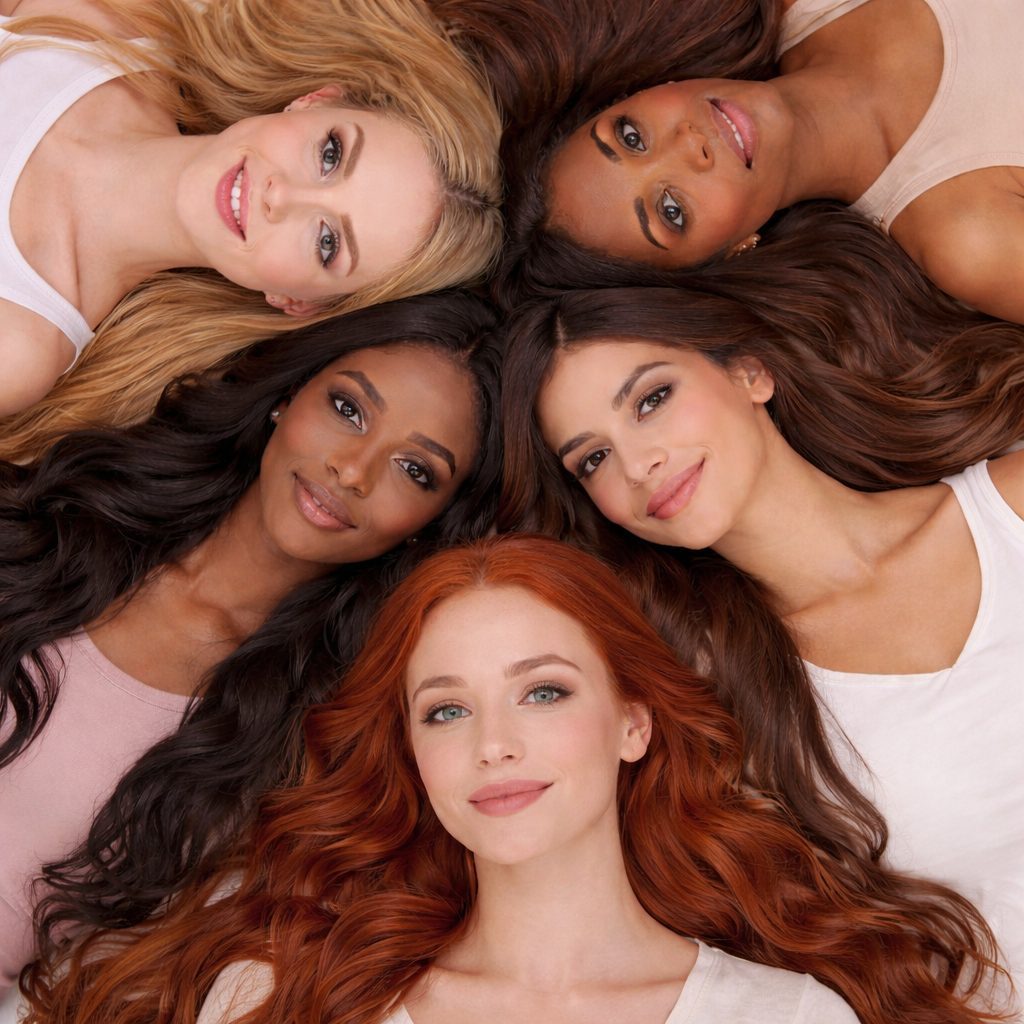
Choosing the right hair color for extensions or hair toppers is one of the most important steps in achieving a natural, seamless result. Even the highest-quality hair can look unnatural if the shade doesn’t blend properly with your own.
While selecting a color may feel overwhelming at first, understanding a few key principles can help you make a confident, informed decision, without relying on complex tools or guesswork.
Why Color Matching Matters
Hair extensions and toppers are designed to enhance your natural hair, not compete with it. A well-matched shade blends effortlessly, creating the illusion that the hair is entirely your own.
An incorrect shade, on the other hand, can:
Color selection plays a major role in achieving a natural, polished finish, whether you’re adding volume, length, or coverage.
Start With Your Natural Hair Color
The best place to begin is your natural hair color at the mid-lengths and ends, not the roots. Hair color often appears slightly darker at the root and lighter toward the ends, especially if it’s been exposed to sun or previous treatments.
When choosing a shade:
This approach helps create a smoother blend and avoids harsh contrast.
Understand Warm, Cool, and Neutral Tones
Hair color isn’t just about light or dark, it’s also about tone. Understanding whether your hair leans warm, cool, or neutral can make a noticeable difference in how well the hair blends.
Choosing a shade with the correct undertone ensures the hair doesn’t appear brassy, dull, or mismatched once worn.
Choosing Color for Hair Extensions
When selecting a color for hair extensions, focus on how the shade will blend through the lengths of your hair.
Extensions work best when:
In many cases, choosing a shade that is slightly lighter rather than darker results in a more natural finish.
Choosing Color for Hair Toppers
Hair toppers require a slightly different approach because they sit closer to the scalp and parting area.
For toppers:
Because toppers are designed to mimic natural hair growth, color accuracy is especially important for a seamless result.
When You’re Between Two Shades
If you find yourself deciding between two colors, the safest choice is usually the lighter option. Lighter shades tend to blend more naturally and can be toned or styled to soften the transition.
It’s also helpful to remember that:
Lighting Makes a Difference
Always assess hair color in natural light whenever possible. Indoor lighting can alter how tones appear, making shades seem warmer or cooler than they truly are.
If you’re comparing options:
This small step can significantly improve your color selection accuracy.
Consider Your Styling Habits
Your styling routine can also influence color choice. If you frequently curl, wave, or texture your hair, subtle color variation will blend more naturally. Sleek, straight styles may require a closer match.
Lifestyle matters too:
Choosing a shade that allows flexibility helps maintain a natural appearance long-term.
Final Thoughts: Confidence Comes From the Right Match
Choosing the right hair color for extensions or toppers doesn’t require advanced tools, just thoughtful observation and an understanding of your own hair. By focusing on tone, placement, and natural blending, you can achieve results that feel effortless and authentic.
A well-matched shade enhances confidence, comfort, and overall satisfaction, allowing your hair solution to truly feel like your own.